




Maritime Regulations 2025 are set to reshape global logistics, bringing stricter environmental rules for the shipping industry. With new policies like EU MRV, IMO DCS, EU ETS, and FuelEU Maritime, shipping companies, importers, and exporters must adapt to avoid penalties and optimize their supply chains.
At ILS Company, we help businesses navigate these regulatory changes, ensuring efficient, sustainable, and compliant international logistics. This article explores how Maritime Regulations 2025 will impact the industry, key deadlines, and strategies to stay ahead.
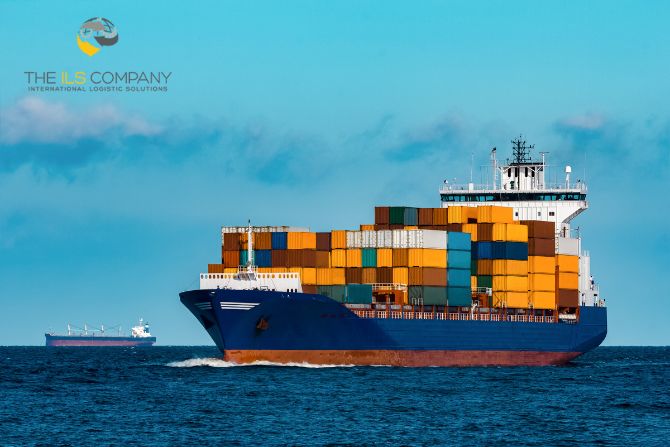
Maritime Regulations 2025 introduce new compliance requirements, impacting global shipping and logistics.
Table of Contents
- Maritime Regulations 2025: How New Rules Will Reshape Global Logistics
- Key Dates and Requirements for 2025
- How ILS Company Ensures Regulatory Compliance
- FAQs About Maritime Regulations
- Conclusion
Maritime Regulations 2025: How New Rules Will Reshape Global Logistics
What Are the Key Maritime Regulations in 2025?
The 2025 maritime regulations bring stricter environmental requirements aimed at reducing greenhouse gas (GHG) emissions. Some key policies include:
✔️ EU MRV (Monitoring, Reporting, and Verification): Requires shipping companies to monitor and report CO₂ emissions for voyages within, to, and from the European Union.
✔️ IMO DCS (Data Collection System): Mandates fuel consumption data reporting for vessels over 5,000 GT.
✔️ EU ETS (Emissions Trading System): From 2025, ships must purchase carbon allowances for their emissions.
✔️ FuelEU Maritime: Encourages the use of low-carbon fuels with incentives and penalties.
These changes will increase operational costs, impact route planning, and require compliance strategies from all logistics operators.

The shipping industry must comply with new regulations aimed at reducing CO₂ emissions under Maritime Regulations 2025.
The IMO’s latest environmental regulations set strict emission reduction targets for the maritime industry, requiring compliance from shipping companies worldwide.
How Will Maritime Regulations 2025 Affect Freight Costs?
📌 Higher Transportation Costs – The EU ETS and low-carbon fuel mandates will likely raise shipping expenses.
📌 Route & Port Adjustments – Some carriers may choose alternative ports outside the EU to minimize costs.
📌 Demand for Sustainable Logistics Solutions – Companies adopting eco-friendly shipping strategies will gain a competitive edge.
At ILS Company, we closely monitor these trends and help our clients optimize shipping costs while ensuring full compliance.
Under the EU Emissions Trading System (EU ETS), shipping companies must purchase carbon allowances, increasing operational costs.
📅 Key Deadlines for Maritime Regulations 2025 Compliance
| Date | Regulation / Requirement |
|---|---|
| February 21, 2025 | Deadline for submitting emissions reports under the EU MRV. |
| March 31, 2025 | Deadline for verification and submission of emissions data in the THETIS-MRV and EU ETS system. |
| September 30, 2025 | Submission of equivalent emission allowances in the Maritime Operator Holding Account (MOHA). |
| January 1, 2025 | Implementation of the Emissions Monitoring Plan under FuelEU Maritime regulations. |
| May 31, 2025 | Deadline for submitting the Fuel Oil Consumption Report (FOCR) under the IMO DCS. |
| January 1, 2026 | Mandatory implementation of the Ship Energy Efficiency Management Plan (SEEMP) Part III. |
Shipping operators must submit their emissions data through THETIS-MRV by March 31, 2025, to ensure compliance with EU MRV regulations.
How to Prepare for Maritime Regulations 2025 with ILS Company
At ILS Company, we help businesses navigate these changes with smart strategies:
✅ Route optimization with compliant carriers to reduce regulatory costs.
✅ Personalized advisory services to ensure compliance with upcoming regulations.
✅ Multimodal transport solutions to minimize the impact of restrictions.
✅ Real-time shipment tracking with regulatory updates.

ILS Company provides expert guidance to help businesses comply with 2025 maritime regulations efficiently.
Frequently Asked Questions About Maritime Regulations
How will the EU ETS impact freight rates?
Shipping costs are likely to rise as carriers must purchase carbon allowances. However, with strategic logistics planning and optimized routes, this impact can be minimized.
What are the most sustainable fuel alternatives for 2025?
Liquefied natural gas (LNG), biofuels, and green methanol are emerging as key solutions to meet the new regulations.
How can Latin American companies adapt to these new regulations?
By adopting logistics providers with environmental certifications, modernizing fleets, and optimizing transportation strategies to ensure compliance.
Can businesses avoid additional costs from these regulations?
Yes. Working with efficient logistics operators and planning shipments in advance can help minimize regulatory compliance costs.
Conclusion: The Opportunity for More Sustainable Logistics
While Maritime Regulations 2025 present challenges, they also offer opportunities to optimize logistics and improve sustainability.
At ILS Company, we help businesses stay ahead of industry changes, ensuring your shipments reach their destination compliantly and cost-effectively.
📩 Contact us today for a consultation and learn how to navigate this new regulatory landscape with ease!